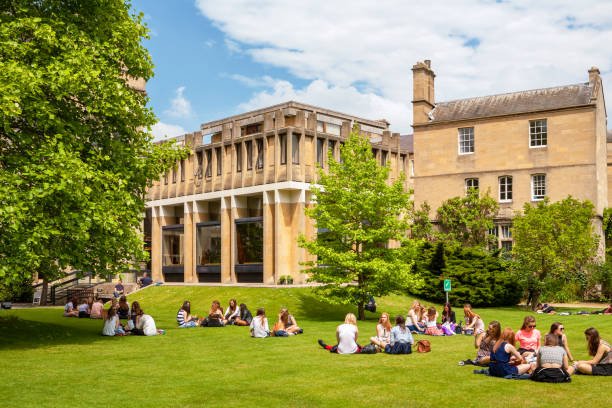
I still remember how worried I was before leaving home to study abroad. Tuition alone was scary enough, but the thought of surviving without income felt almost impossible. That was when I started researching countries that actually allow international students to work legally while studying. What I discovered changed everything. Many countries not only permit student work but expect students to support themselves this way. If you choose the right destination, working while studying can cover living expenses, build experience, and even open doors to permanent residency later.
Advertisement
Why Working While Studying Matters
For international students, part-time work is more than extra cash. It helps with:
-
Rent and daily expenses
-
Gaining local work experience
-
Building professional networks
-
Improving language skills
-
Reducing financial pressure on family
However, each country has strict rules on how many hours students can work and where.

Canada
Canada is one of the most student-friendly countries in the world.
Work Rules for Students
-
Up to 20 hours per week during school sessions
-
Full-time work during scheduled breaks
-
No separate work permit required
Why Canada Stands Out
-
Jobs available on and off campus
-
Good minimum wage
-
Strong study-to-work-to-PR pathway
Many students use part-time jobs to cover rent and food, especially outside major cities.
United Kingdom
The UK allows international students to work legally with clear limits.
Work Rules for Students
-
Up to 20 hours per week during term time
-
Full-time during holidays
-
Work allowed with student visa
Popular Student Jobs
-
Retail
-
Hospitality
-
Campus jobs
-
Warehousing
UK work experience also strengthens post-study visa applications.
Australia
Australia is known for generous student work rights.
Work Rules for Students
-
Up to 48 hours per fortnight during study
-
Unlimited hours during breaks
Why Students Choose Australia
-
High minimum wage
-
Flexible job market
-
Strong protection for workers
Many students comfortably support themselves through part-time work.
Germany
Germany combines affordable education with legal student work options.
Work Rules for Students
-
120 full days or 240 half days per year
-
Student assistant jobs often exempt
Key Advantage
-
Many public universities have low or no tuition fees
-
Strong job opportunities for skilled students
Germany is ideal for students who want low education costs plus work experience.

New Zealand
New Zealand supports international students financially and legally.
Work Rules for Students
-
20 hours per week during classes
-
Full-time during holidays
Why It’s Attractive
-
Good work-life balance
-
Friendly immigration system
-
Clear post-study work options
Ireland
Ireland is becoming increasingly popular with international students.
Work Rules for Students
-
20 hours per week during term
-
40 hours during holidays
Benefits
-
English-speaking country
-
Strong tech and healthcare industries
-
Study-to-work opportunities
Ireland favors students who plan to transition into skilled employment.
Netherlands
The Netherlands allows limited student work with conditions.
Work Rules for Students
-
Up to 16 hours per week
-
Full-time during summer months
-
Employer must obtain a work permit
Despite the permit requirement, jobs are widely available for students.
France
France supports student employment, especially in cities.
Work Rules for Students
-
Up to 964 hours per year
-
Work allowed during studies
Advantage
-
Access to student-friendly jobs
-
Strong support for part-time workers
-
Good internship opportunities
Sweden
Sweden offers flexible work rules for students.
Work Rules for Students
-
No official hourly limit
-
Work must not interfere with studies
Key Benefit
-
High trust-based system
-
Strong labor protections
Students are expected to manage their time responsibly.

Japan
Japan allows international students to work with permission.
Work Rules for Students
-
Up to 28 hours per week
-
Separate work permit required
Common Jobs
-
Convenience stores
-
Restaurants
-
Language tutoring
Japan offers good pay for part-time roles.
United States
The US allows student work but with restrictions.
Work Rules for Students
-
20 hours per week on-campus
-
Off-campus work requires authorization
-
Full-time allowed during breaks
While restrictive, campus jobs are competitive and valuable.
Countries With Very Limited or No Student Work Rights
Some countries restrict or prohibit student employment, such as:
-
Certain Middle Eastern countries
-
Some Eastern European states
Always check visa conditions before applying.
Important Rules Students Must Follow
-
Never exceed allowed hours
-
Avoid unauthorized work
-
Keep student status valid
-
Maintain academic performance
Violating work rules can lead to visa cancellation.
How to Choose the Best Country for You
Consider:
-
Cost of living
-
Minimum wage
-
Job availability
-
Language barriers
-
Post-study opportunities
A country that allows work is only useful if jobs are actually available.
Final Thoughts
From my experience and everything I’ve seen, working while studying is not a luxury — it’s a survival tool for many international students. Choosing a country that legally supports student work can ease financial stress and open doors you never expected. The right decision can turn your study journey into a long-term opportunity rather than a financial burden.